
A factual, chronological account of Arakan, its peoples, and the events that shaped the region today.
1. THE KINGDOM OF ARAKAN (Pre‑1784)
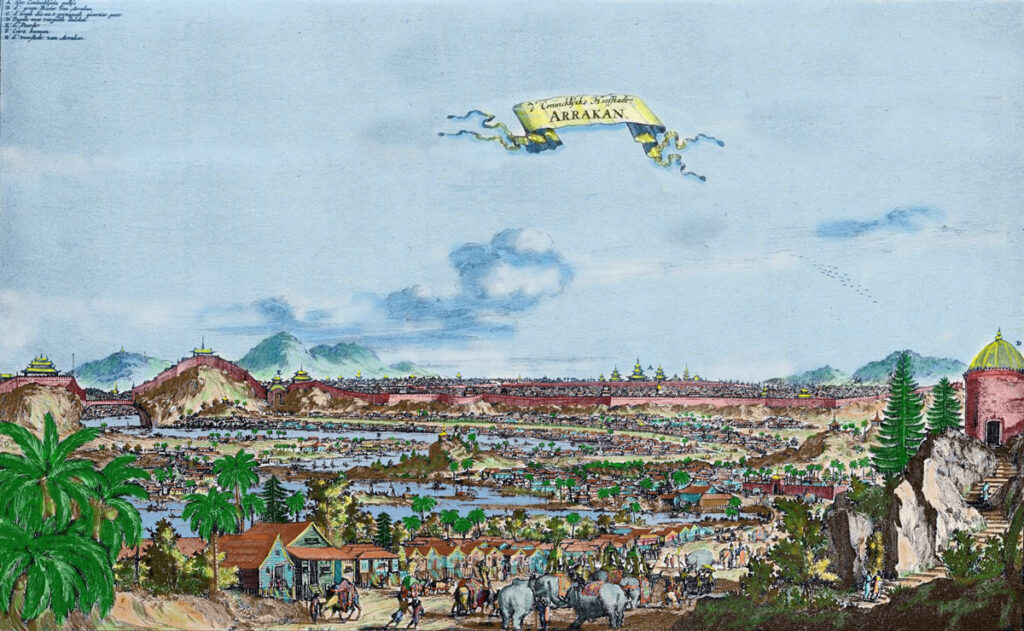
The Kingdom of Arakan existed as an independent kingdom until 1784, when it was invaded and annexed by King Bodawpaya of the Konbaung dynasty. The Rohingya are an indigenous people of Arakan, with deep historical roots in the region spanning centuries. They lived alongside other ethnic and religious communities, maintaining continuous cultural, social, and economic ties to the land.
2. COLONIAL PERIOD AND WARTIME DISPLACEMENT
1824–1886 — British Invasions of Burma
Great Britain invades Burma multiple times, resulting in three Anglo‑Burmese wars.
1886–1942 — British Administration
Burma becomes a province of British‑controlled India and is later separated into a British colony.
1942–1945 — Japanese Occupation
Japan invades British‑controlled Burma during World War II. People in Burma support different sides of the war. Members of the Muslim Rohingya people fight alongside the British, while Rakhine Buddhists support the Japanese. Tens of thousands flee the violence to what is now Bangladesh.
1945 — End of WWII
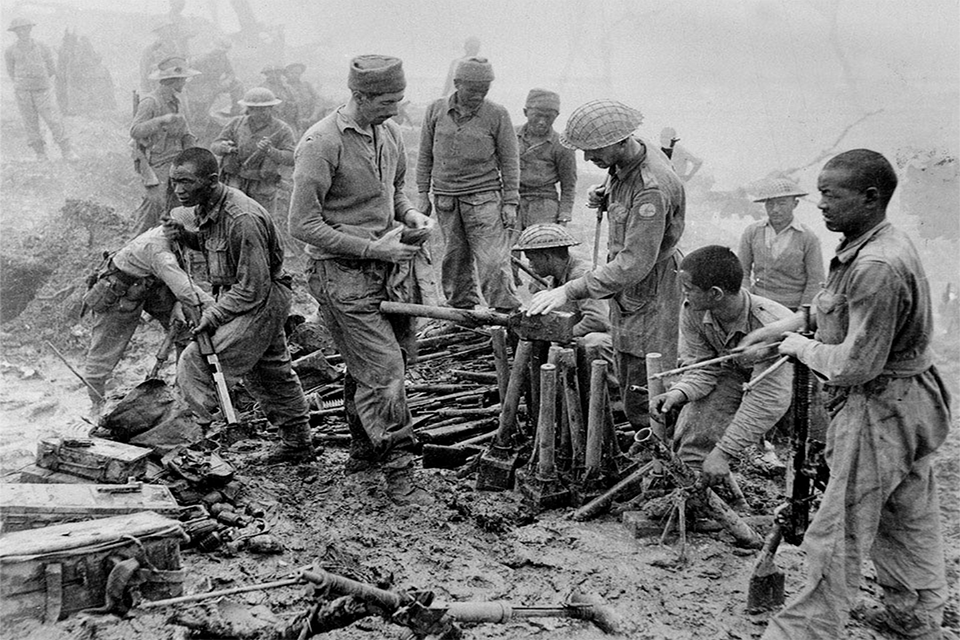
Burmese General Aung San and other local leaders fight alongside the British to defeat the Japanese.
3. INDEPENDENCE, CITIZENSHIP, AND EARLY POLITICAL PARTICIPATION
1947 — Independence Agreement and Rohingya People Representation
Aung San signs an agreement with the British guaranteeing Burma full independence.
Rohingya people are elected as members of the Constituent Assembly.
Aung San is assassinated in July.
1948 — Independence of Burma
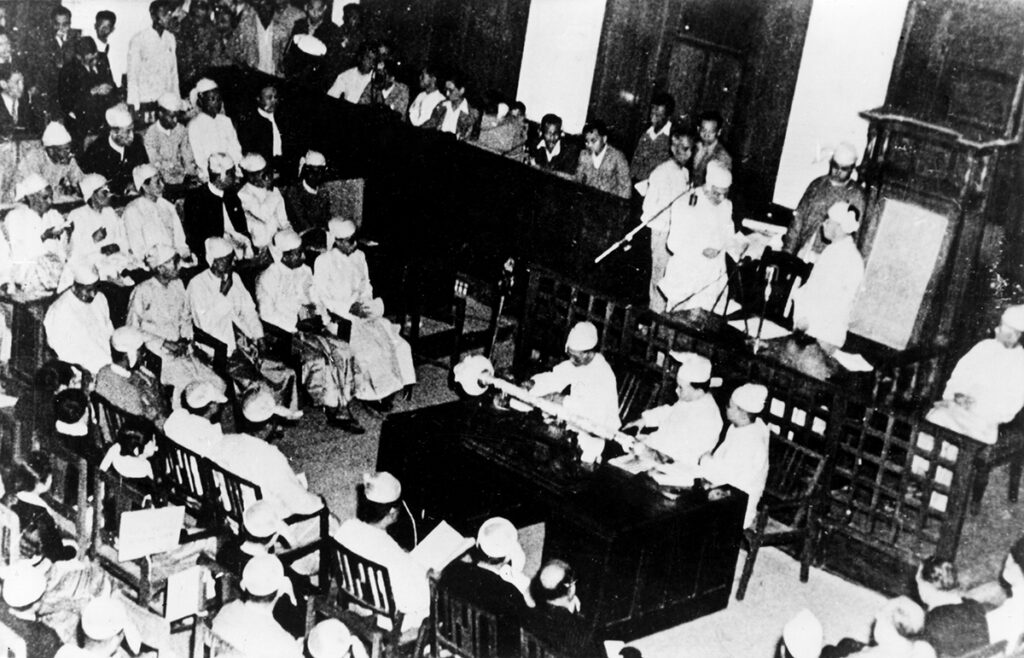
Burma becomes an independent republic. The Union Citizenship Act recognises all citizens as equal, including Rohingya people and other minority groups.
1949 — National Registration Cards Introduced
Burma sets up its first national identification system.
Rohingya receive registration cards.
1951–1960 — Democratic Elections
Burma holds three general elections.
All citizens, including Rohingya people, have the right to vote.
Several Rohingya people are elected to Parliament.
4. MILITARY RULE AND THE GRADUAL REMOVAL OF ROHINGYA RIGHTS
1962 — Military Coup
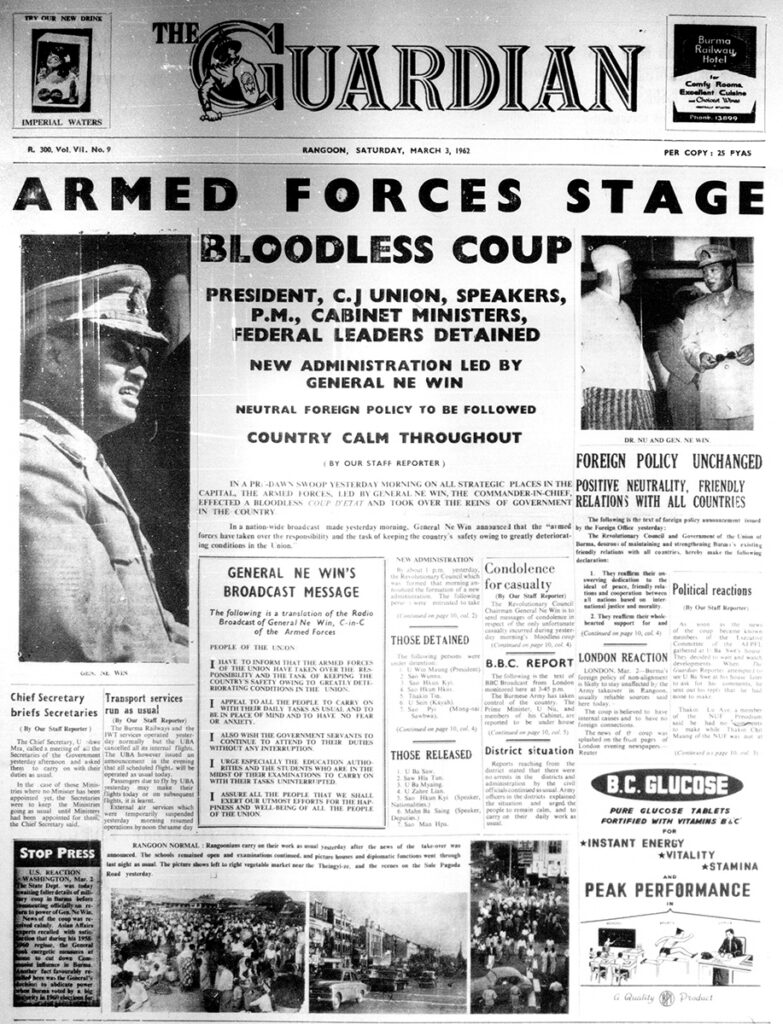
General Ne Win overthrows the elected government and establishes military rule.
1974 — New Constitution and Emergency Immigration Act
A new constitution establishes one‑party rule. The Emergency Immigration Act limits the rights of individuals seen as “foreigners.” Authorities begin confiscating Rohingya national registration cards.
1978 — Operation Naga Min (“Dragon King”)
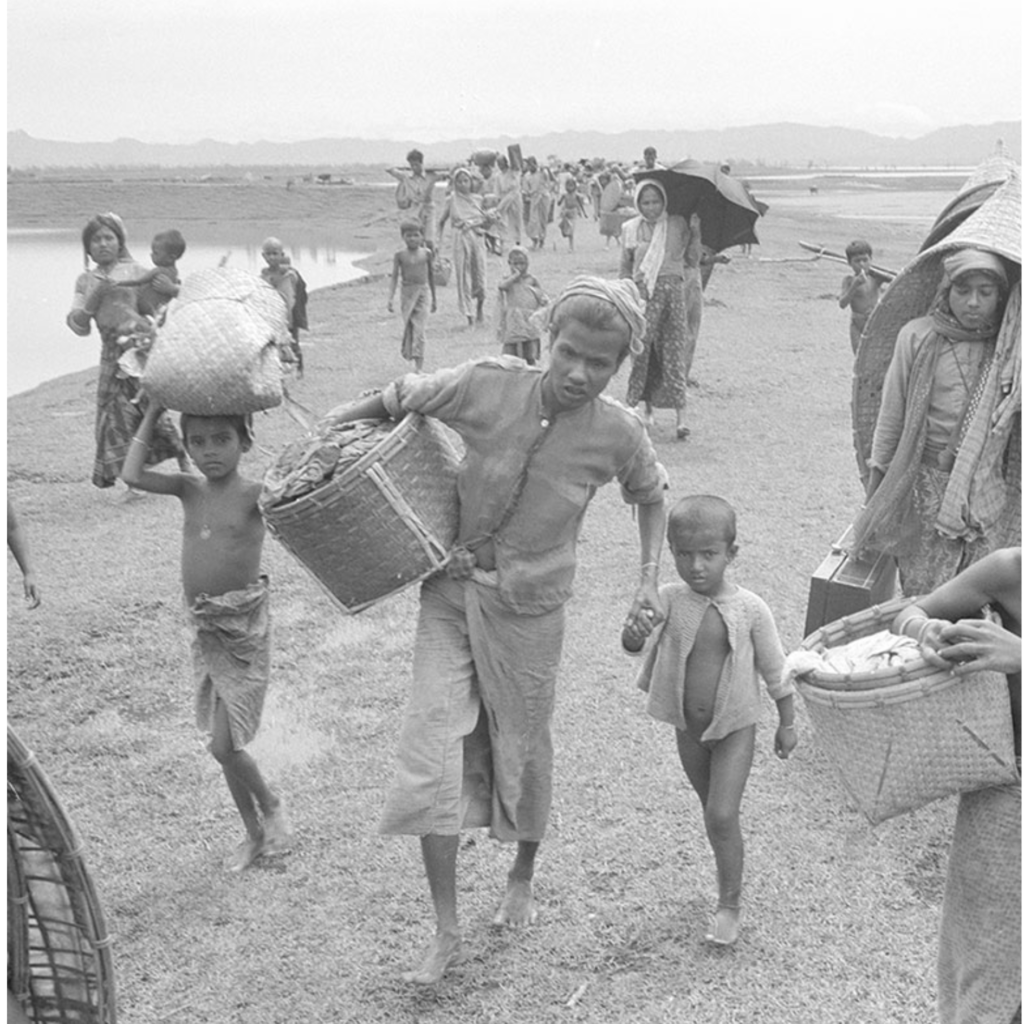
A citizenship verification campaign leads to widespread violence.
Rohingya people flee to Bangladesh carrying their remaining belongings.
1982 — Citizenship Law
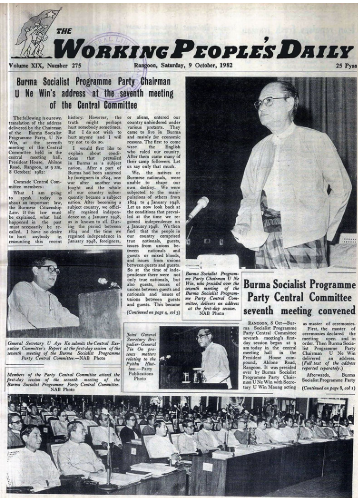
A new law bases citizenship on ethnicity. The law excludes Rohingya people and other minority communities.
1988 — Nationwide Pro‑Democracy Protests
Protests occur across Burma, including in Rakhine State. The military responds with a crackdown.
1989 — Renaming: Burma → Myanmar, Arakan → Rakhine State and New Citizenship Scrutiny Cards
The military government changes the country’s official English name from Burma to Myanmar. At the same time, Arakan State is officially renamed Rakhine State, emphasising the Rakhine Buddhist identity of the region. Then, the government requires everyone to apply for new ID cards but Rohingya people never receive them.
5. TARGETED VIOLENCE AND IDENTITY REMOVAL (1990s)
1990 — Elections Not Recognised
The National League for Democracy wins national elections. The military refuses to recognise the results.
1991 — Operation Pyi Thaya (“Clean and Beautiful Nation”)
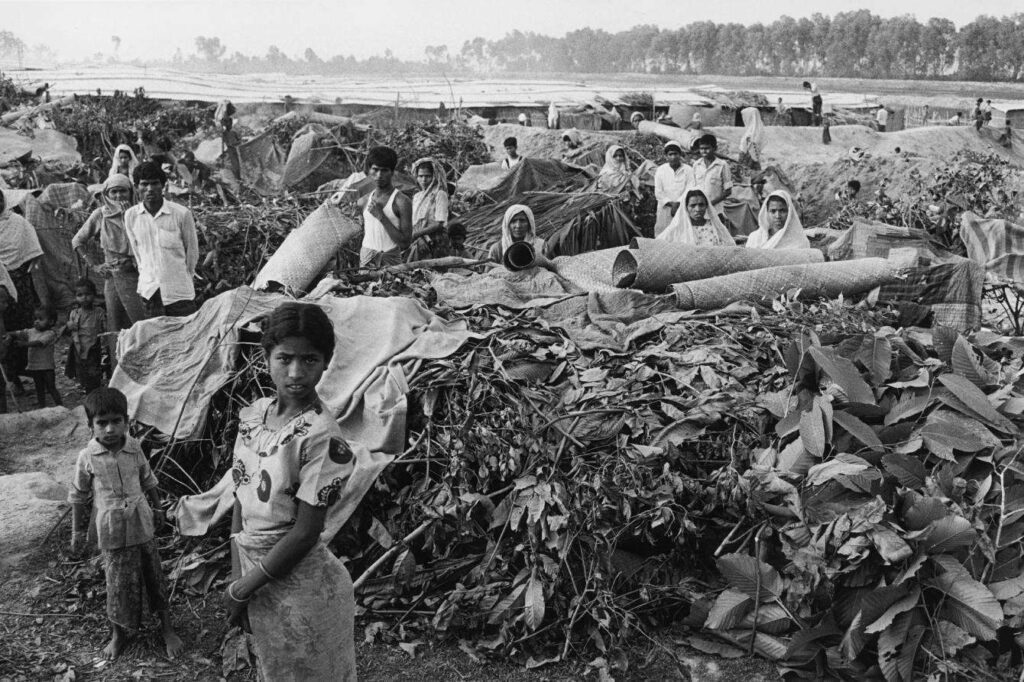
A military campaign results in widespread violence. Approximately 250,000 Rohingya flee to Bangladesh.
1991–1992 — NaSaKa Established
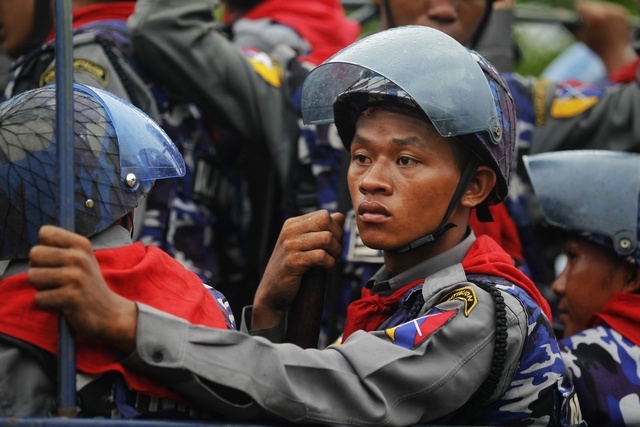
A special border security force is created to harass and persecute Rohingya people.
1992 — Forced Repatriation
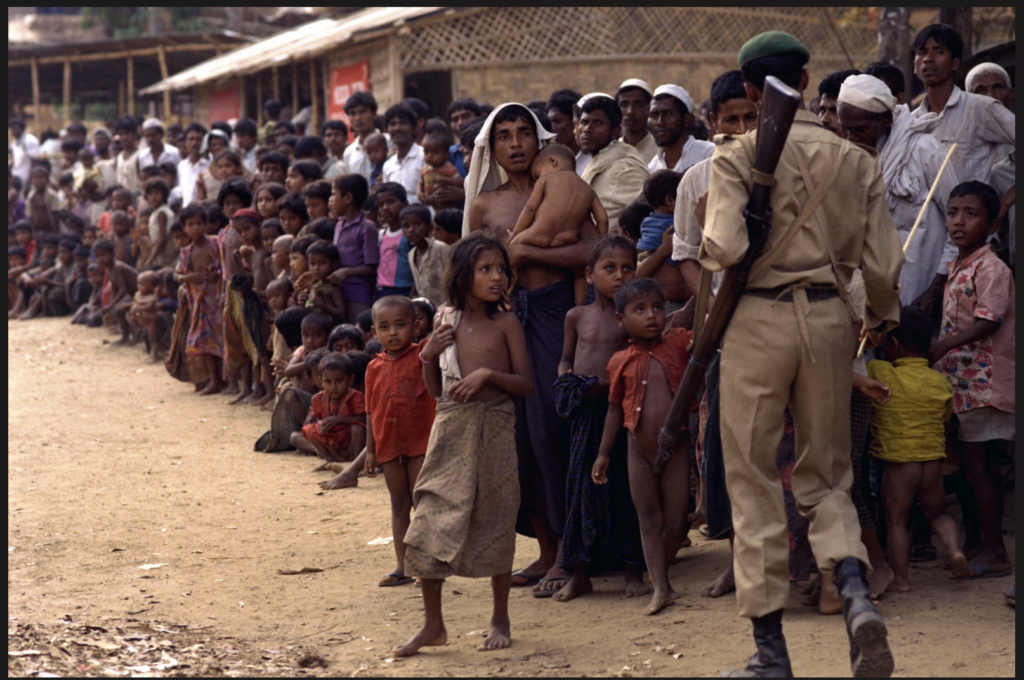
Roughly 150,000 Rohingya return to Burma.
1994 — Birth Certificates Denied
The government begins denying Rohingya children birth certificates.
1995 — “White Cards” Issued
Rohingya people receive temporary registration cards that do not serve as proof of citizenship.
6. ESCALATING VIOLENCE AND DISPLACEMENT (2000–2012)
2008 — New Constitution
The government revises the constitution without input from minority groups.
It guarantees continued military rule.
2009 — Formation of the Arakan Army (AA)
The Arakan Army (AA), an ethnic Rakhine armed group, is formed. It later expands its presence in Rakhine State.
2010 — National Elections
The military‑backed party wins. The opposition boycotts.
2012 — Anti‑Rohingya Violence and Rise of “969 Movement”
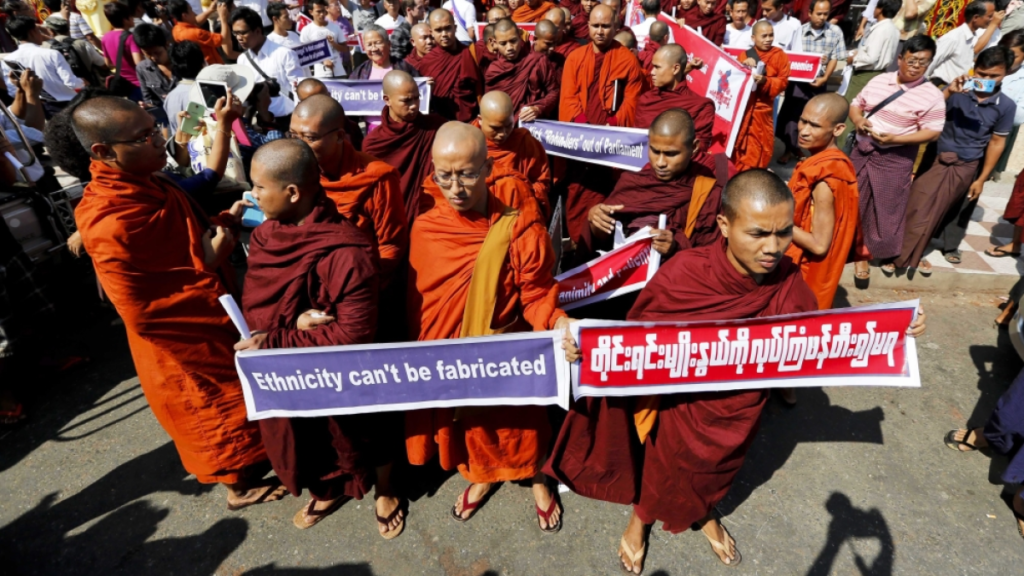
Violence erupts in Rakhine State in June and October. The Villages are burned and thousands are displaced. Also, the Buddhist nationalist movement emerges, later banned for encouraging violence.
2012–2014 — Maritime Exodus
Tens of thousands of Rohingya people flee Burma by boat to Bangladesh.
7. CATASTROPHIC ATROCITIES AND MASS EXODUS (2014–2017)
2014 — MaBaTha Formed
Ultra‑nationalist monks create a movement that becomes a major anti‑Rohingya force.
2014 — National Census
Rohingya people are excluded.
2015 — White Cards Cancelled
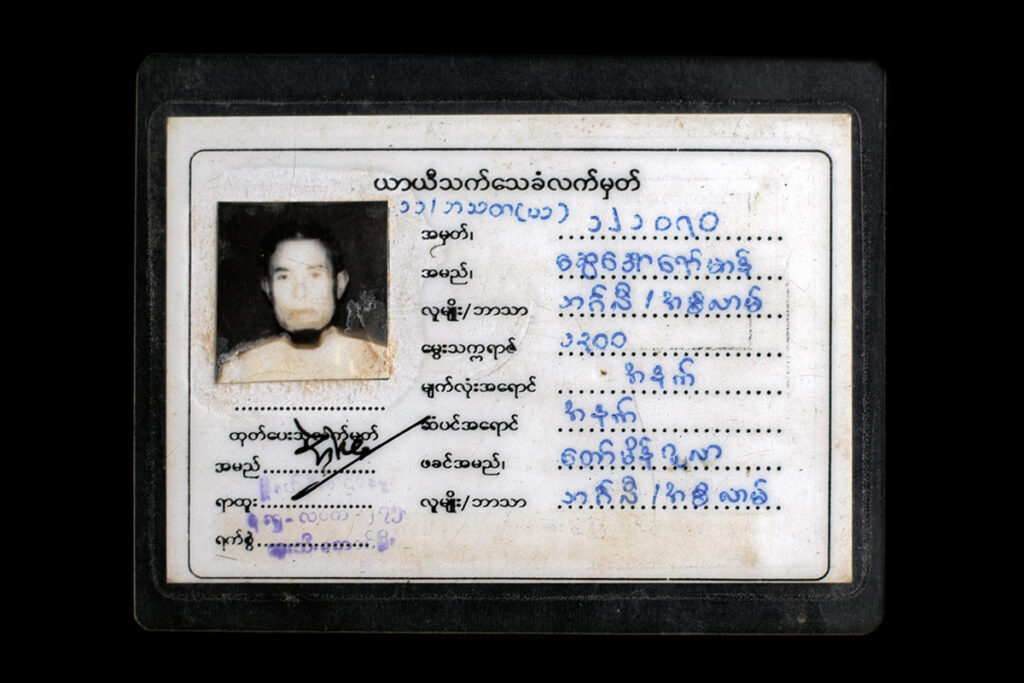
Rohingya lose their only form of identification. They are required to obtain National Verification Cards (NVCs), which label them as immigrants from Bangladesh.
2015 — Elections Without Rohingya
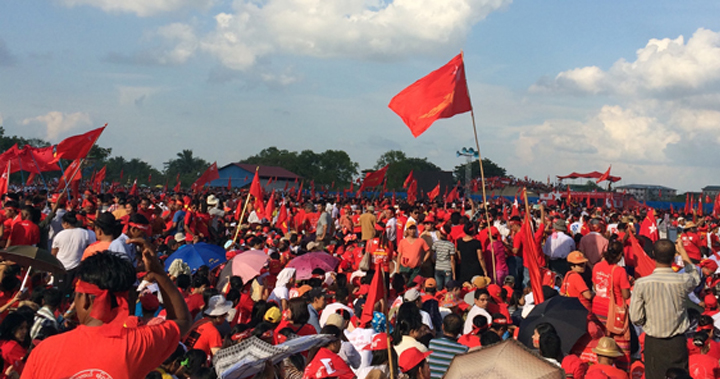
Rohingya people are denied the right to vote or run for office.
2016 — Advisory Commission on Rakhine State
Led by former UN Secretary‑General Kofi Annan.
October 2016 — Clearance Operations
Military operations destroy Rohingya villages. Approximately 86,000 flee to Bangladesh.
August 2017 — Mass Atrocities and Genocide
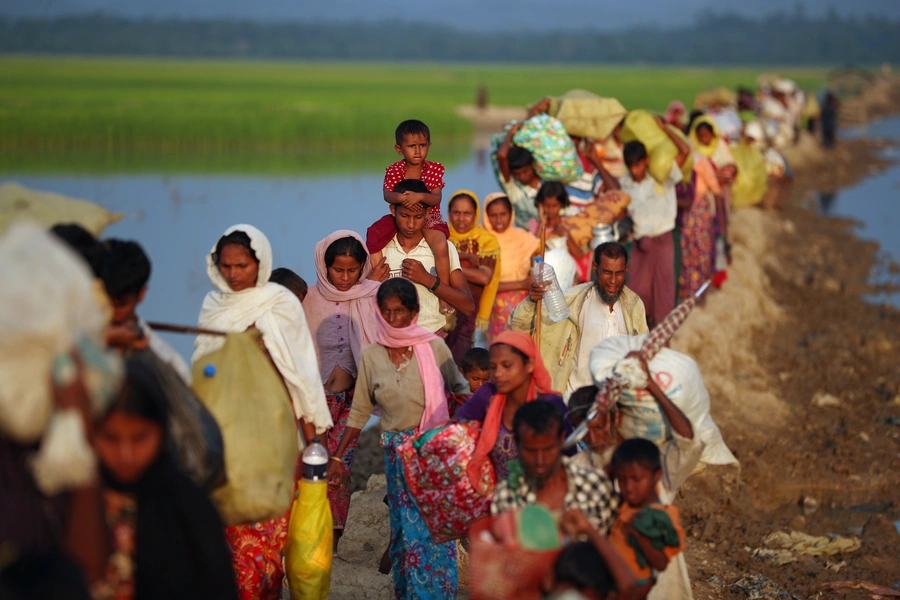
A military campaign destroys several hundred Rohingya villages.
More than 700,000 flee to Bangladesh.
Thousands are killed.
8. INTERNATIONAL RESPONSE (2017–2020)
2017–2019 — Sanctions
The United States imposes sanctions on military leaders.
2018–2019 — UN Fact-Finding Mission
UN reports reference genocide and crimes against humanity.
2018 — Independent Legal Investigation
Finds reasonable grounds to believe genocide, crimes against humanity, and war crimes occurred. The Independent Investigative Mechanism for Myanmar (IIMM) began operations on 30 August 2019, taking over evidence from the previous Fact-Finding.
2019 — Rohingya Refugee Population
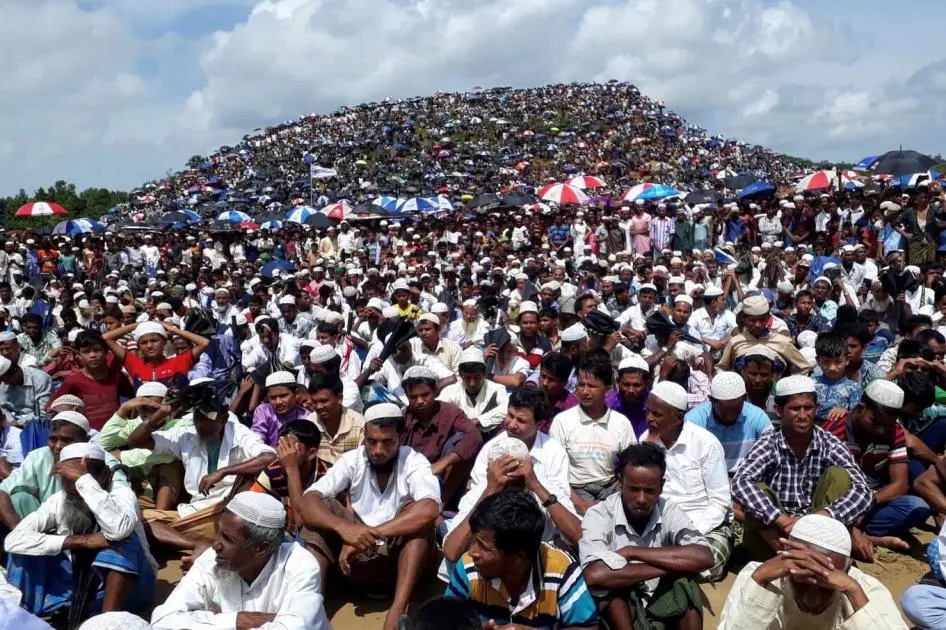
UNHCR estimates more than 914,000 Rohingya people living in camps in Bangladesh.
2019–2020 — Continuing Displacement and International Court of Justice Case
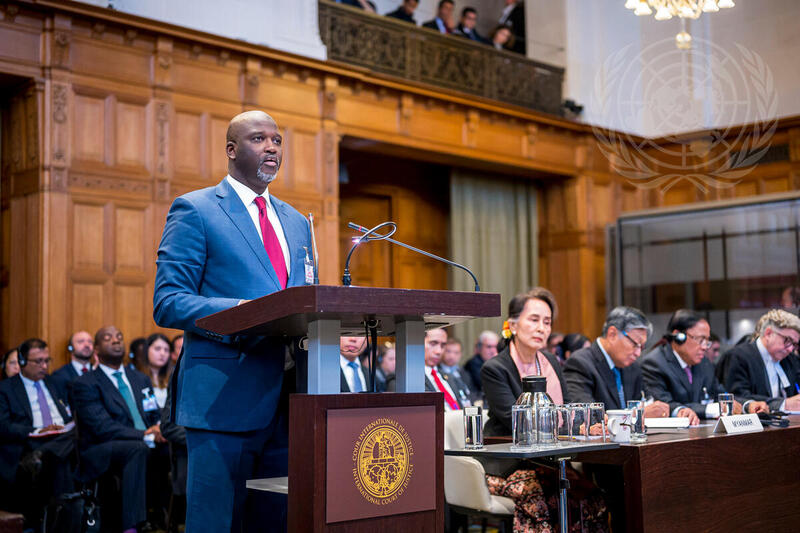
Gambia brings a case against Myanmar before the International Court of Justice, asserting that Myanmar violated its obligations under the Genocide Convention. In January 2020, the court issued a landmark, unanimous preliminary ruling ordering Myanmar to take urgent provisional measures to prevent further acts of genocide.
10. MILITARY COUP, HUMANITARIAN CRISIS, AND ONGOING LEGAL ACTION (2021–2026)
2021 — Military Coup
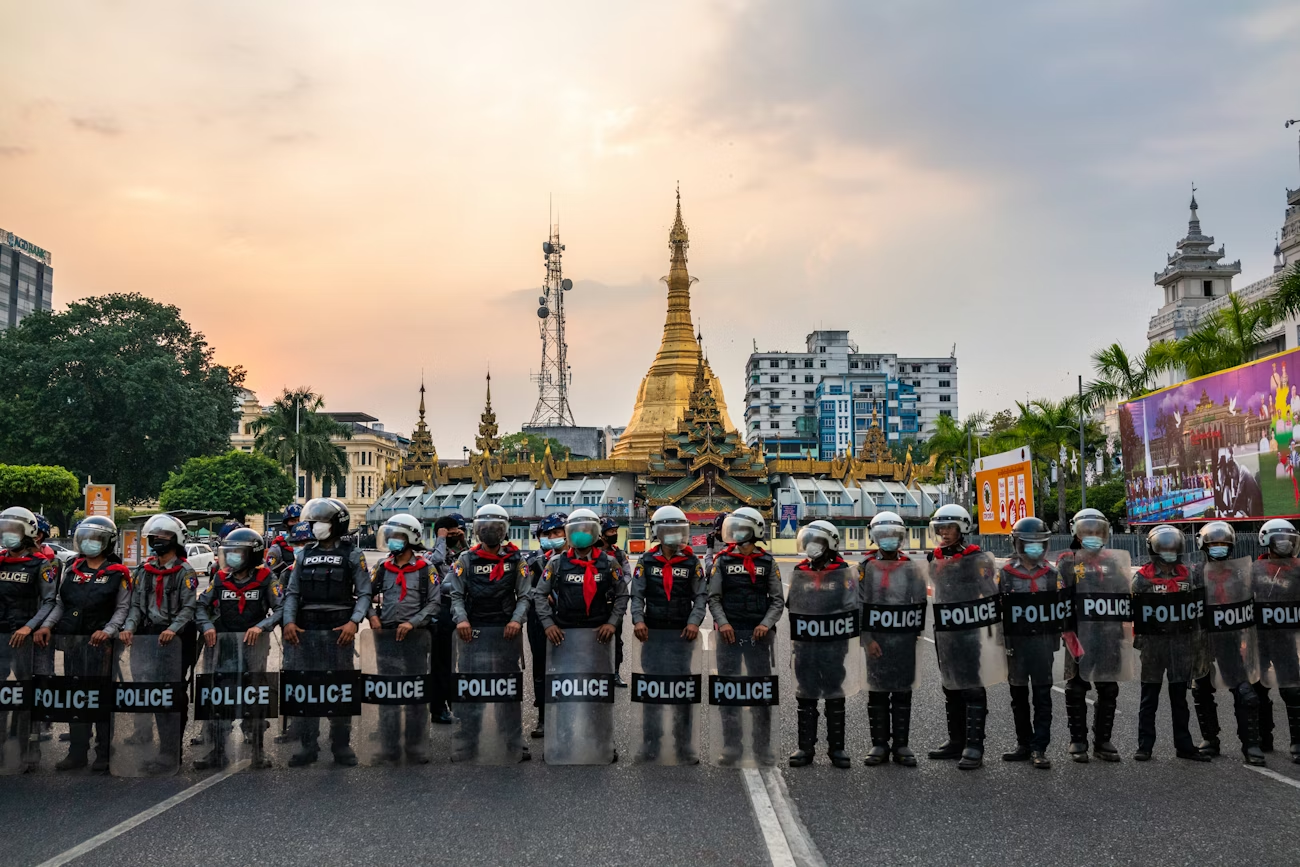
The military detains Aung San Suu Kyi, President Win Myint, and senior NLD leaders.
The coup triggers nationwide instability, which later contributes to worsening conditions for Rohingya communities in Rakhine State.
2022 — Escalation of Conflict and Humanitarian Impact
Throughout 2022, the armed conflict intensifies across Myanmar. The military crackdowns and violence increase. National instability disrupts humanitarian access.
2023 — Cyclone Mocha and Severe Humanitarian Crisis
May 2023
Cyclone Mocha strikes the Bangladesh–Myanmar border, heavily impacting Rohingya in Rakhine State. Reports describe inadequate warnings, blocked humanitarian aid, and insufficient relief efforts. The cyclone worsens existing shortages of food, water, shelter, and healthcare for affected communities.
Late 2023 — Renewed Fighting in Rakhine State
November 2023
Clashes intensify between the Arakan Army (AA) and the military junta in Rakhine State.
August 2024 — New Atrocities Against Rohingya by AA and Military
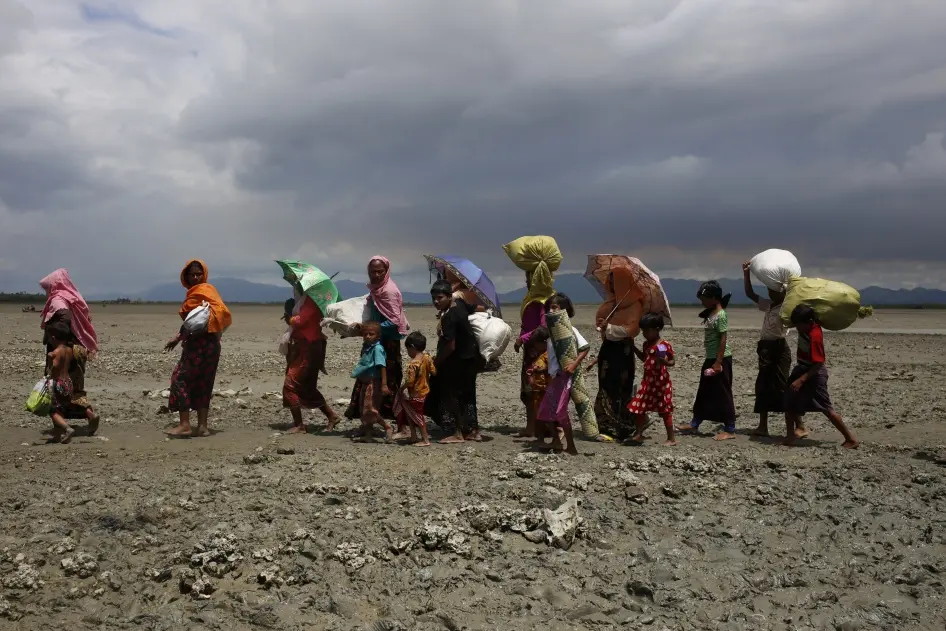
Public reports describe mass killings of Rohingya civilians during fighting between the Myanmar military and the Arakan Army. According to Rohingya witnesses and report approximately 200 Rohingya civilians were killed following a targeted drone strikes on Rohingya people fleeing fighting in Maungdaw town near the Bangladesh border by AA. Rohingy in some areas intimidation, forced recruitment, and ill‑treatment by armed actors.
An estimated 630,000 Rohingya remain in Myanmar under severe movement restrictions and systemic discrimination, leaving them exceptionally vulnerable to renewed violence from both state and non‑state armed groups.
2025 — Humanitarian Emergency and Conflict in Rakhine State
March 2025 — Earthquake
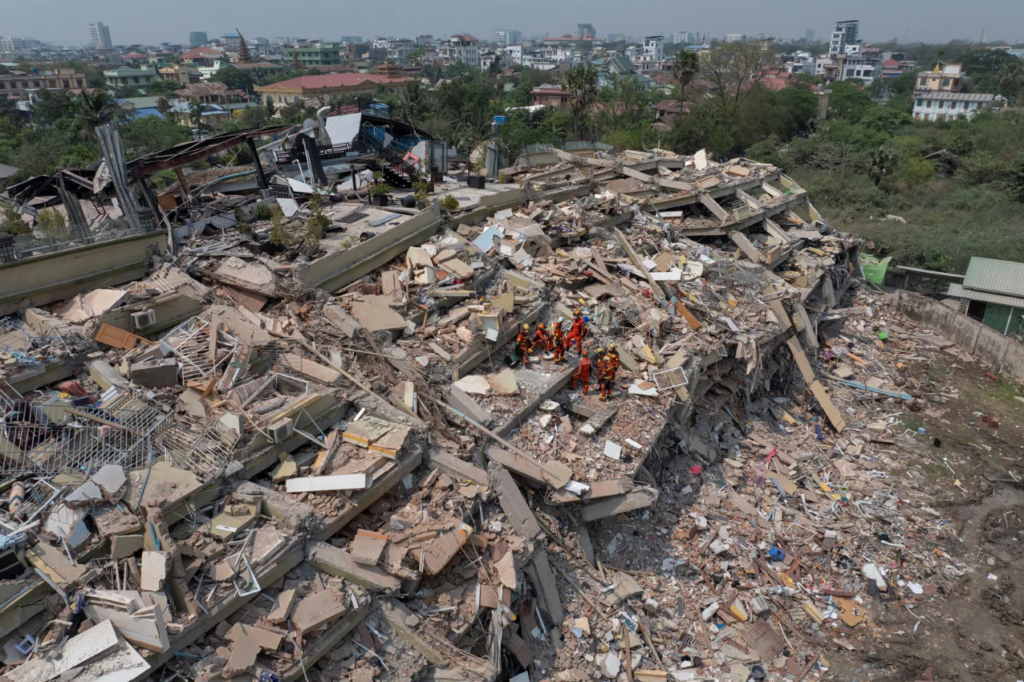
A shallow‑magnitude earthquake strikes central Myanmar.
Damage to infrastructure and services contributes to a wider humanitarian crisis affecting displaced populations, including Rohingya people.
2025 — Digital Restrictions, and Surveillance
The military authorities expand surveillance and movement controls, further limiting access to services and humanitarian support. Internet censorship intensifies, including blocking VPNs in May and blocking the encrypted messaging app Signal in July, hindering communication for Rohingya communities and humanitarian actors.
2025 — Airstrikes and Civilian Harm in Rakhine State
The military continue conducts airstrikes in conflict areas, including an attack on a hospital in Mrauk‑U in December 2025, drawing international condemnation.
These conditions further endanger Rohingya communities living in conflict‑affected zones.
December 2025 – January 2026 — Disputed Elections and Conflict Environment
The military‑backed USDP claims victory in a three‑phase election (Dec 28, 2025 – Jan 25, 2026). The election is conducted under conflict conditions, limited access in many areas, and coercive restrictions. The UN reports 170 civilian deaths in 408 military airstrikes during the election period, contributing to widespread insecurity in Rakhine State.
11. ICJ MERIT HEARING AND ONGOING CRISIS (2026-Present)
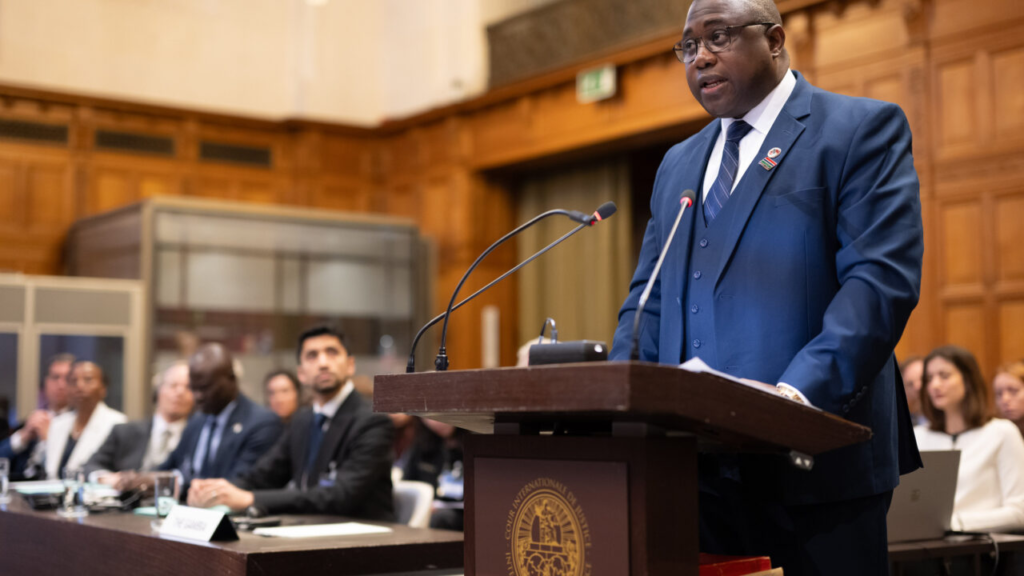
January 2026 — ICJ Merit Hearings Begin
The International Court of Justice commenced three weeks of merit hearings in the case concerning the 2017 genocidal acts and intent against the Rohingya people, marking a critical step toward accountability and justice for the community.
February 2026 — Escalation of Airstrikes and Displacement
The Myanmar military intensified airstrikes and drone attacks, pushing the number of internally displaced persons (IDPs) toward 4 million. Rohingya communities remain among the most vulnerable, facing indiscriminate attacks by the military and targeted killings by the Arakan Army (AA), which also spreads hate, incites violence, and circulates propaganda against the Rohingya people.
Ongoing Situation in 2026
Despite ICJ proceedings, conditions for Rohingya inside Myanmar remain dire. Conflict continues across Rakhine State, where the Myanmar military controls major towns and infrastructure, while significant rural areas are under the influence or control of armed groups, including the Arakan Army (AA). Humanitarian access is severely restricted, and Rohingya communities continue to face displacement, insecurity, targeted attacks, and systemic discrimination.
Meanwhile, Rohingya refugees remain dispersed across neighbouring countries, with the largest population of approximately 1.5 million in Bangladesh. Concerns are growing over chronic funding shortfalls, prolonged displacement, and the endless suffering endured by the Rohingya population both inside Myanmar and in exile.
The international community now awaits the ICJ’s deliberations, which could provide a crucial legal pathway toward accountability and justice for the Rohingya people.
Footnote:
Since the invasion of Arakan by the Burmese Konbaung dynasty in 1784, the Rohingya — indigenous to the region — have endured cycles of marginalisation, statelessness, forced displacement, and targeted violence. They have been subjected to horrific crimes, including genocide and systematic destruction of villages. Under international law, these acts constitute severe violations of human rights. Today, they survive in Myanmar under extreme restrictions and as refugees abroad, seeking recognition, justice, and the restoration of their ancestral homeland. (See: “Burma’s Path to Genocide” timeline, U.S. Holocaust Memorial Museum)